


Advancements in Robotic Joint Technology for Replacement Surgery

Joint pain, especially in the hips and knees, can significantly affect daily life. When conservative treatments no longer provide relief, joint replacement surgery becomes a viable option. Over the years, robotic joint technology has transformed how these surgeries are performed, offering greater precision and improved outcomes. In this post, I will walk you through the latest advancements in robotic joint replacement and explain how these innovations can benefit those considering surgery.
Understanding Robotic Joint Technology in Replacement Procedures
Robotic joint technology refers to the use of robotic systems to assist surgeons during joint replacement surgeries. These systems provide enhanced accuracy in implant placement and alignment, which are critical for the longevity and function of the artificial joint.
Unlike traditional surgery, where surgeons rely heavily on manual techniques and visual estimation, robotic systems use detailed preoperative imaging and real-time data to guide the procedure. This technology allows for:
Customized surgical plans based on individual anatomy
Precise bone preparation and implant positioning
Minimally invasive approaches that reduce tissue damage
For example, in knee replacement surgery, robotic assistance helps ensure the implant aligns perfectly with the patient’s natural joint mechanics. This alignment reduces wear and tear on the implant and improves overall joint function.

Key Benefits of Robotic Joint Technology
The integration of robotic systems in joint replacement offers several tangible benefits that directly impact recovery and long-term success:
Improved Accuracy
Robotic systems use 3D imaging and computer modeling to create a precise surgical plan. This accuracy minimizes errors in implant placement, which is crucial for joint stability and function.
Personalized Surgery
Every patient’s anatomy is unique. Robotic technology allows surgeons to tailor the procedure to the individual, optimizing implant fit and alignment.
Reduced Surgical Trauma
With robotic assistance, surgeons can perform smaller incisions and avoid unnecessary damage to surrounding tissues. This approach often results in less pain and faster healing.
Enhanced Recovery Times
Patients typically experience quicker mobilization and faster recovery due to the minimally invasive nature of robotic-assisted surgery.
Longer Implant Lifespan
Proper alignment and placement reduce the risk of implant loosening or failure, potentially extending the life of the joint replacement.
These benefits collectively contribute to better patient outcomes and higher satisfaction rates.
How Robotic Joint Technology Works in Practice
Before surgery, patients undergo detailed imaging studies such as a CT scan. These images are uploaded into the robotic system, which creates a 3D model of the joint. The surgeon uses this model to plan the exact size, position, and orientation of the implant.
During the operation, intra-operative live feedback allows the ability to further tailor the implants based off of the patient's ligament tension to perfectly balance the knee for better patient outcomes and higher patient satisfaction.
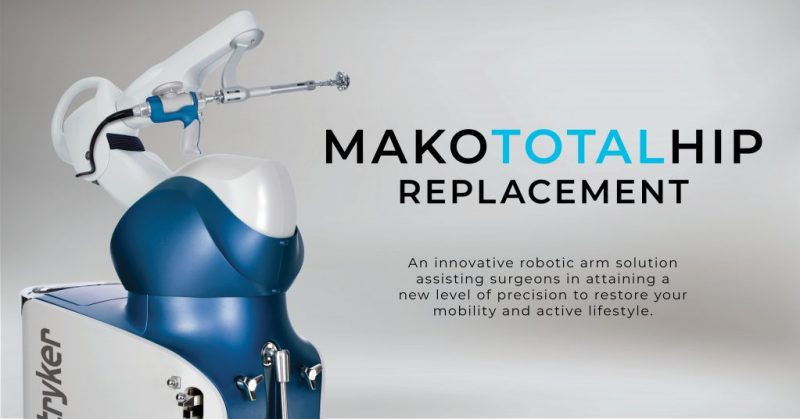
The robotic arm assists the surgeon by guiding instruments according to the preoperative and intra-operative plan. The system provides real-time feedback, ensuring that bone cuts and implant placement are within the planned parameters.
For instance, in hip replacement surgery, the robotic system helps position the acetabular cup and femoral stem with millimeter precision. This precision reduces the risk of dislocation and improves joint mechanics.
Patient Experience and Recovery with Robotic Joint Replacement
One of the most important considerations for anyone facing joint replacement is the recovery process. Robotic joint technology positively influences this experience in several ways:
Less Postoperative Pain: Smaller incisions and precise tissue handling reduce inflammation and discomfort.
Faster Mobilization: Patients often begin physical therapy sooner, which helps restore joint function more quickly.
Lower Risk of Complications: Enhanced accuracy decreases the likelihood of complications such as implant misalignment or infection.
Improved Long-Term Function and Higher Patient Satisfaction: Patients report better joint stability and range of motion after robotic-assisted surgery.
It is important to note that while robotic technology enhances surgical precision, the surgeon’s expertise remains critical. Choosing a specialist experienced in robotic joint replacement is essential for achieving the best results.
The Future of Robotic Joint Replacement and What It Means for You
Robotic joint technology continues to evolve rapidly. Emerging advancements include:
Artificial Intelligence Integration: AI algorithms will further refine surgical planning and intraoperative decision-making.
Enhanced Imaging Techniques: Improved imaging will provide even more detailed anatomical data for personalized surgery.
Expanded Applications: Robotic assistance is being explored for other joints and more complex reconstructive procedures.
For those considering joint replacement, these innovations mean safer surgeries, faster recoveries, and longer-lasting results. If you are experiencing hip or knee pain that limits your daily activities, exploring robotic joint replacement options with a qualified specialist can be a valuable step.
Dr. Terry Presley is the leading specialist for robotic hip and knee replacement in the Kansas City area, focusing on providing advanced, patient-centered care that leads to faster recovery and better outcomes for individuals needing joint reconstruction. If you want to learn more about how robotic joint technology can help you regain mobility and reduce pain, I encourage you to reach out for a consultation.
Taking the Next Step Toward Joint Health
Deciding on joint replacement surgery is a significant step. Understanding the role of robotic joint technology can empower you to make informed choices about your care. Here are some practical recommendations:
Consult with a Specialist: Seek out surgeons who have experience with robotic-assisted joint replacement.
Ask About Technology: Inquire how robotic systems are used in your potential surgery and what benefits they offer.
Prepare for Recovery: Follow preoperative and postoperative instructions carefully to maximize your recovery.
Stay Informed: Keep up with the latest advancements in joint replacement to understand your options.
By taking these steps, you can approach joint replacement surgery with confidence, knowing that modern technology supports your journey to improved mobility and quality of life.


Comments